
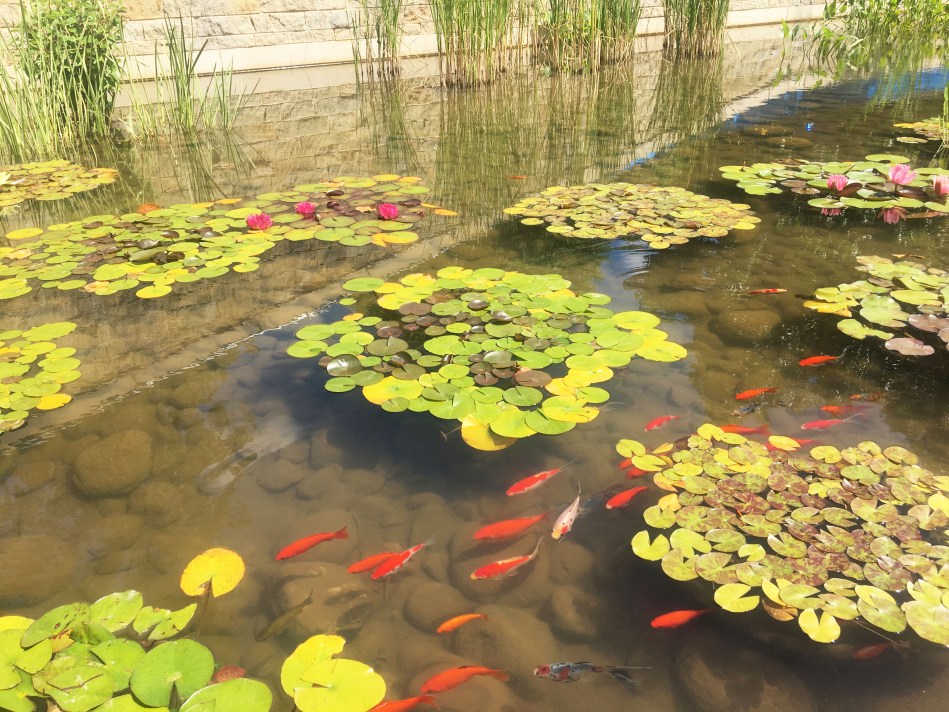
“Most modern architecture is composed of euclidean geometry although there is no perpendicular grid in the natural world…Today we are able to create architecture based on the rules in the natural world by using computer technologies. However, we should use these rules not to make forms that imitate nature but instead to create architecture that breathes and is congruous with the environment.”
Toyo Ito
Toyo Ito’s words ring true in many of the case-studies I have visited thus far. These exemplary structures work with and reflect natural processes, helping people to connect with nature and their surroundings, rather than just imitate natural forms. Some are truly living buildings. Below, I list the case-studies I have visited on the East Coast, as I now travel on the West Coast of the United States.
In this entry, I’d like to share some interesting findings about the Japanese art of forest bathing, which I’ve come across during my literature review. I have always been fascinated by Japanese culture and architecture. Its historical buildings, mainly temples that seamlessly blend into their surroundings, the meticulously pruned bonsai, the peaceful zen gardens, and the idea of wabi-sabi, i.e. the embrace of the imperfect. But also by the contemporary works of Toyo Ito, SANAA and Yuya Ishigami, to name a few (I highly recommend this book, A Japanese Constellation). This enticing culture with its historically strong bond to nature is also known for the hustle and bustle of its megacities, including Tokyo (the largest city in the world with 38m inhabitants in the metropolitan area), and what goes with it, the idea of Karōshi or death from overworking. This makes me wonder whether this is the reason behind the popularity of shinrin-yoku, or the Japanese art of forest-bathing.
Shinrin-yoku is not – as one may expect – and ancient tradition. It began in the 1980s as a marketing tool by the Japan Forest Agency. It was based on the culturally ingrained perception that nature provides health benefits for people. However, since the 1990’s, the agency, with the help of Japanese universities, started to conduct research proving the notion with research data. You may find some interesting finding below. What is important to note is that shinrin-yoku is not about simply walking through the forest, but truly ‘bathing’ in it, that is being fully present and engaging all of the senses. For more information and research on the subject, I recommend checking out, Your Brain on Nature as well as, Forest Bathing.
- Spending time in a forest can reduce psychological stress, depressive symptoms, and hostility (results based on lowered levels of cortisol and blood pressure, as well as pulse rate);
- 20 minute of shinrin-yoku causes people to relax [results based on cerebral blood flow and lowered hemoglobin (red blood cells) levels in specific brain areas] as opposed to urban walks, which have the opposite effects;
- A day trip to a forest can have long-lasting influence on immune markers. These antiviral natural killer cells are suppressed by stress hormones, making us prone to infections and disease. Studies prove that just a day in the forest increase the number of antiviral cells, increase in functional activity and amount of intracellular anticancer proteins in our system.
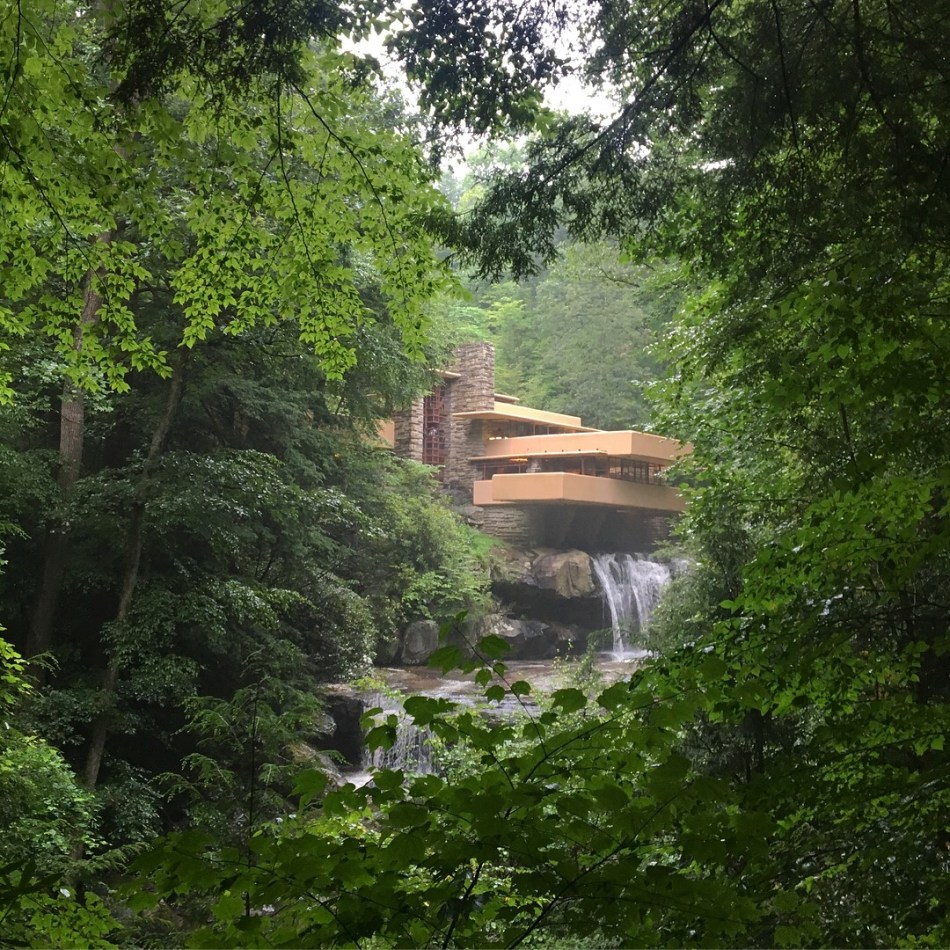
Frank Lloyd Wright’s organic architecture was greatly influenced by Japan. I mention him, as I had the pleasure of visiting Fallingwater during my travels on the East Coast. He famously stated, “study nature, love nature, stay close to nature, it will never fail you.” I hope that shinrin-yoku will grow in popularity and that scientific research findings will unequivocally prove what we have instinctively known for centuries, nature’s essential and beneficial impact on human health and well-being.
Below are a few photos of the case-studies I visited while in the East Coast of the United States.
Bay Area case-studies I visited:
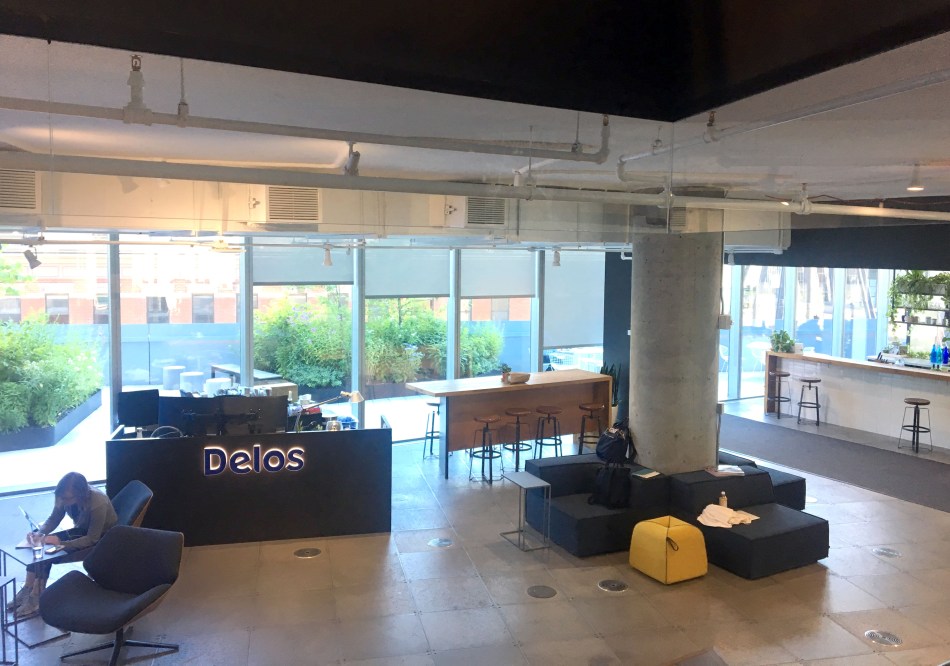
Delos Living Headquarters by Gensler, Manhattan, NY / 2017 (19,000 ft2):
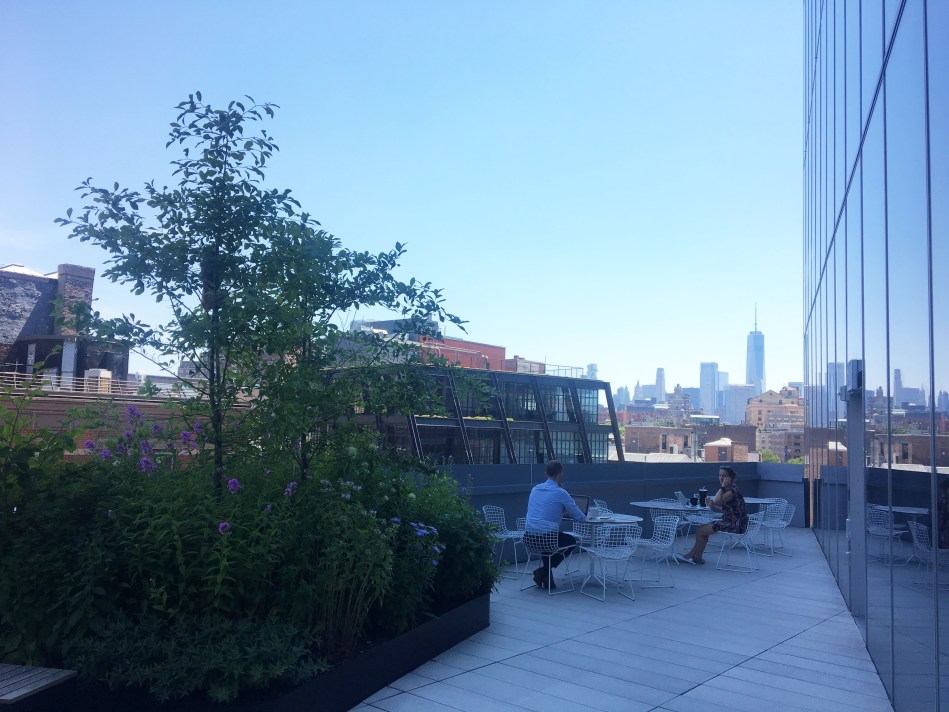
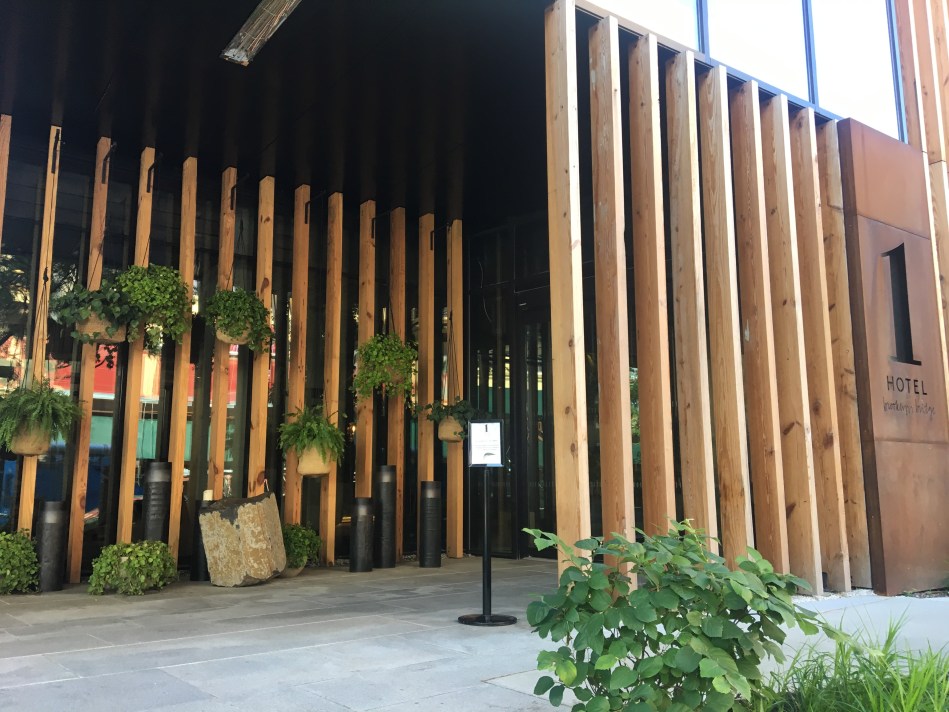
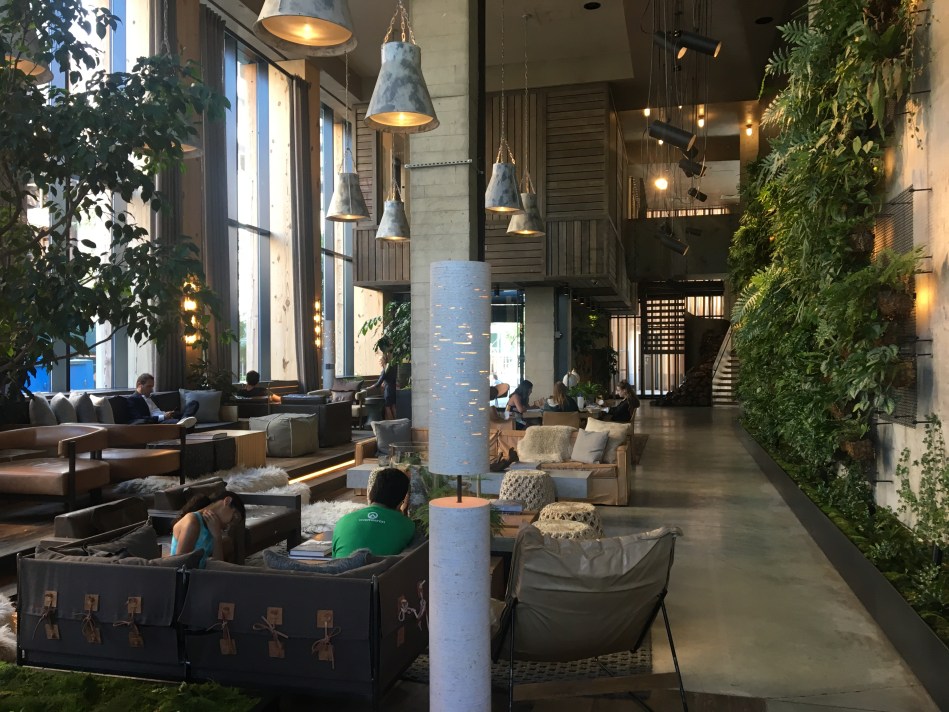
1 Hotel Brooklyn Bridge by INC Architecture & Design, Brooklyn, NY / 2017:
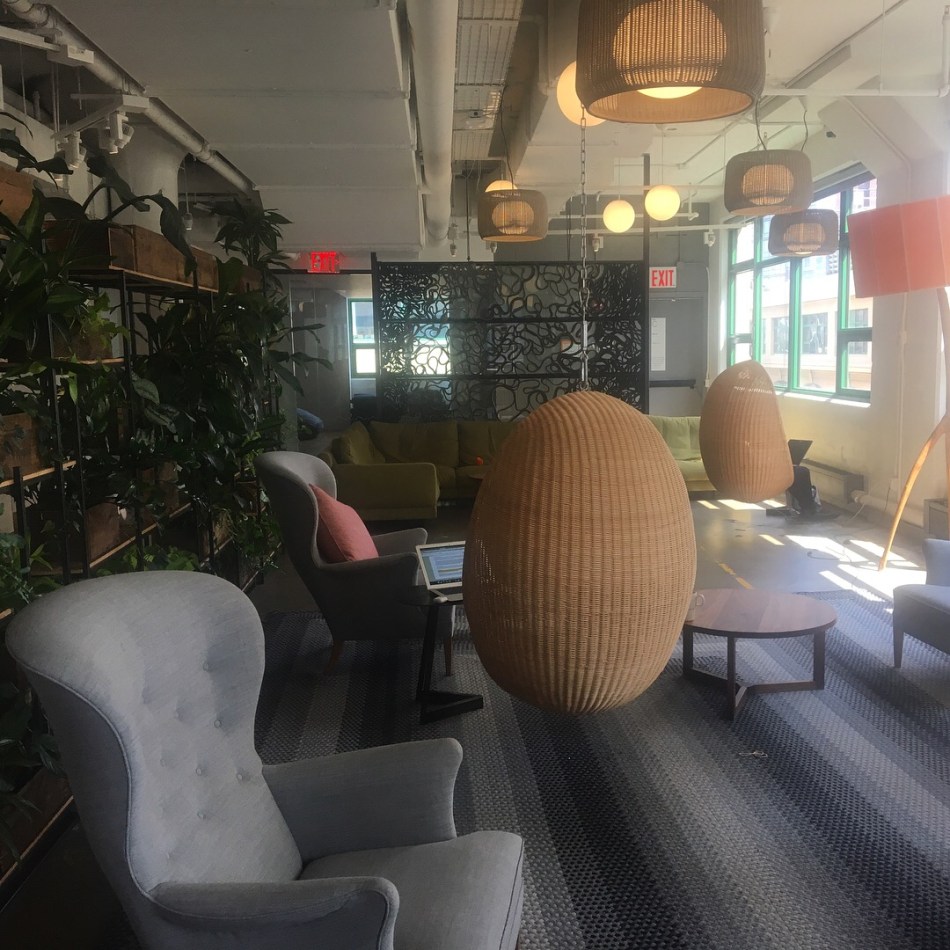
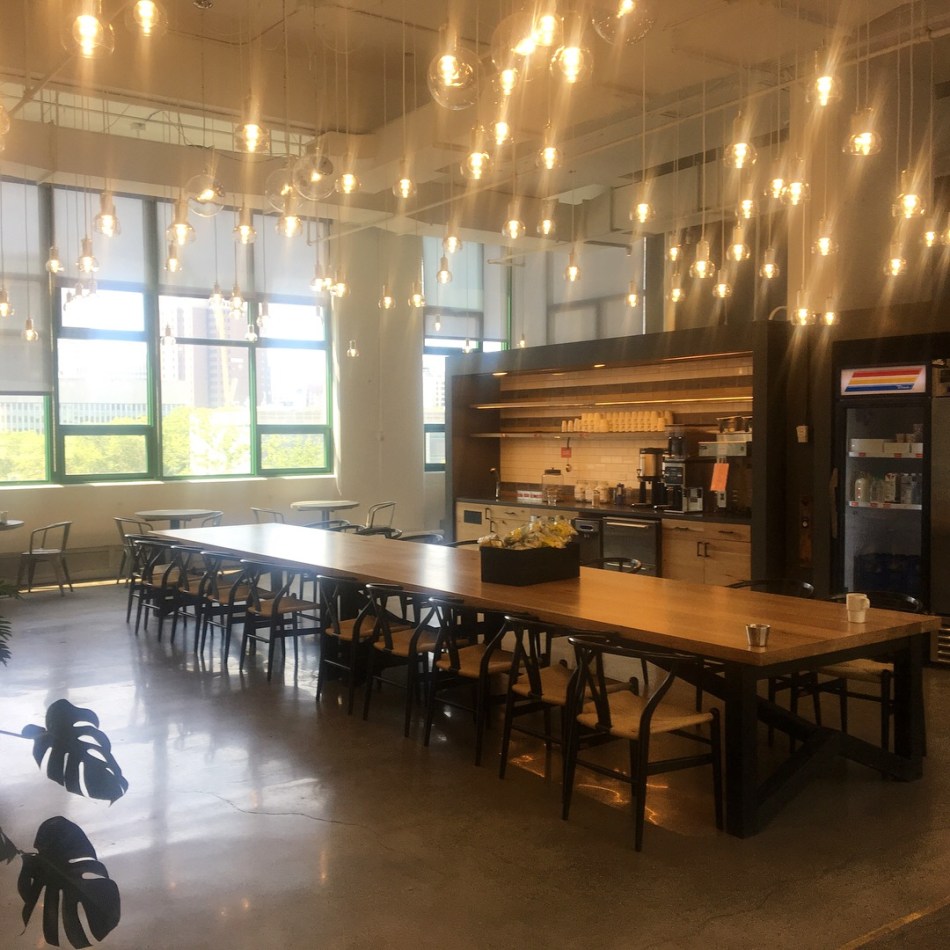
Etsy Headquarters by Gensler, Manhattan, NY / 2016 (200,000 ft2):
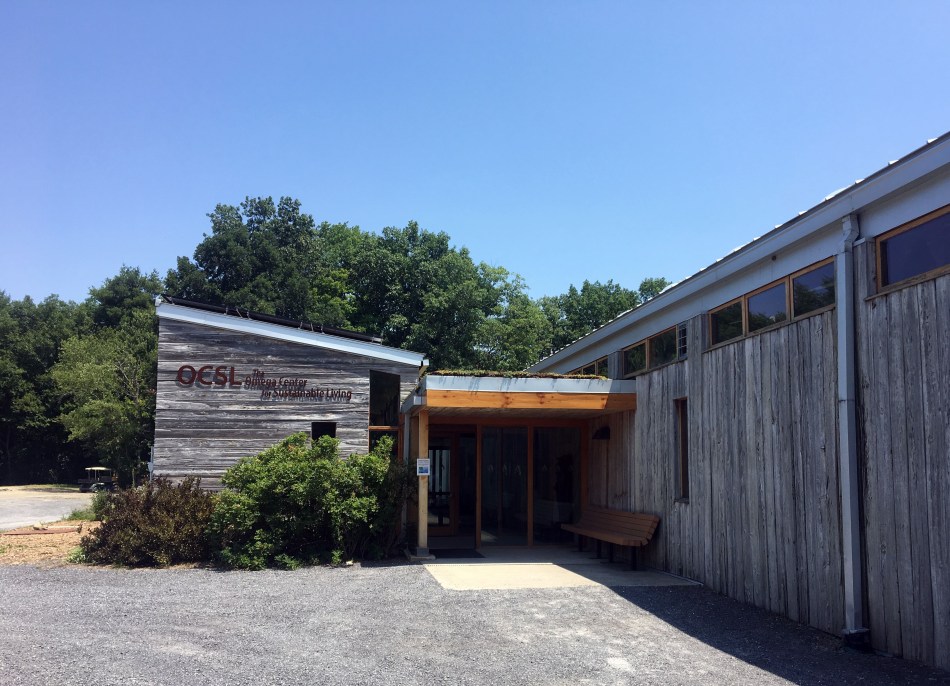
Omega Institute Center for Sustainable Living by BNIM Architects , Rhinebeck, NY / 2009 (6,250 ft2):
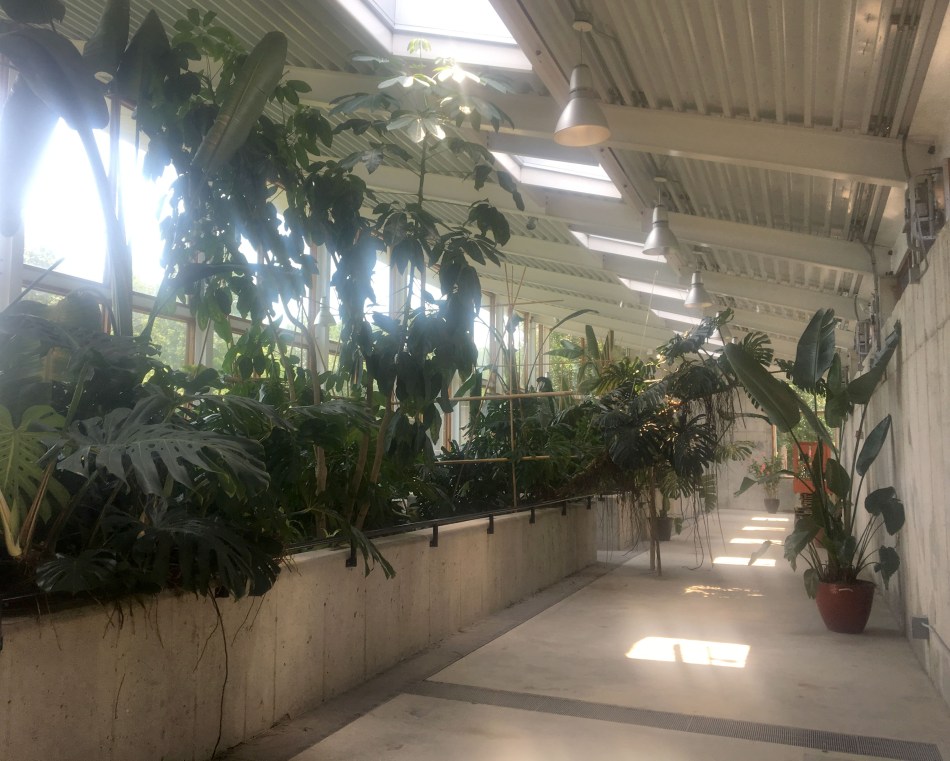
The Glass House by Philip Johnson, New Canaan, MA / 1949 (1,815 ft2):
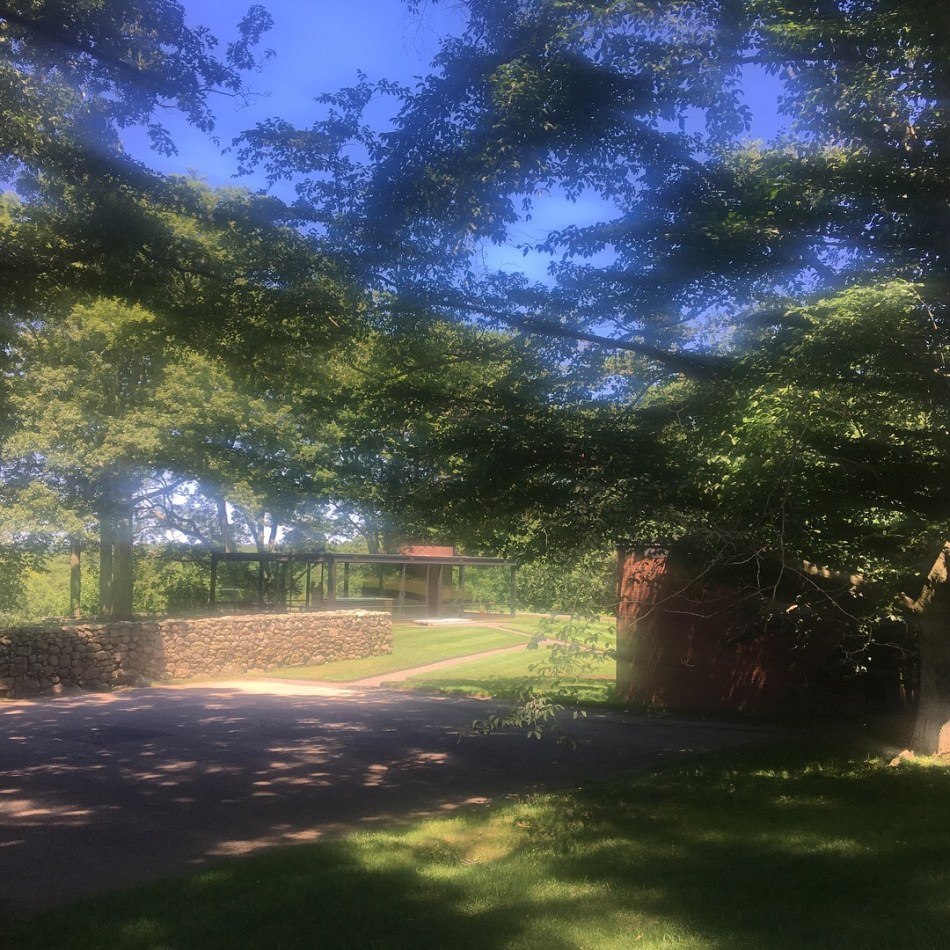
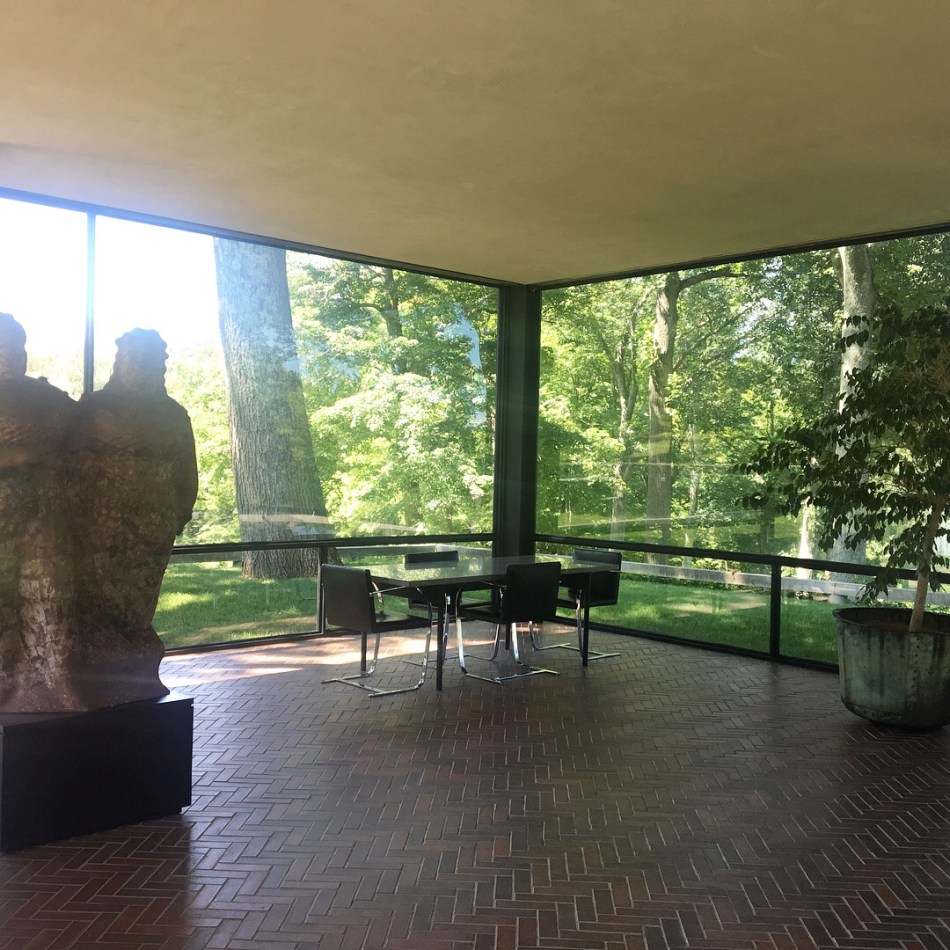
Kroon Hall by Hopkins Architects and Centerbrook Architects and Planners, LLP, New Haven, CT / 2009 (66,822 ft2):
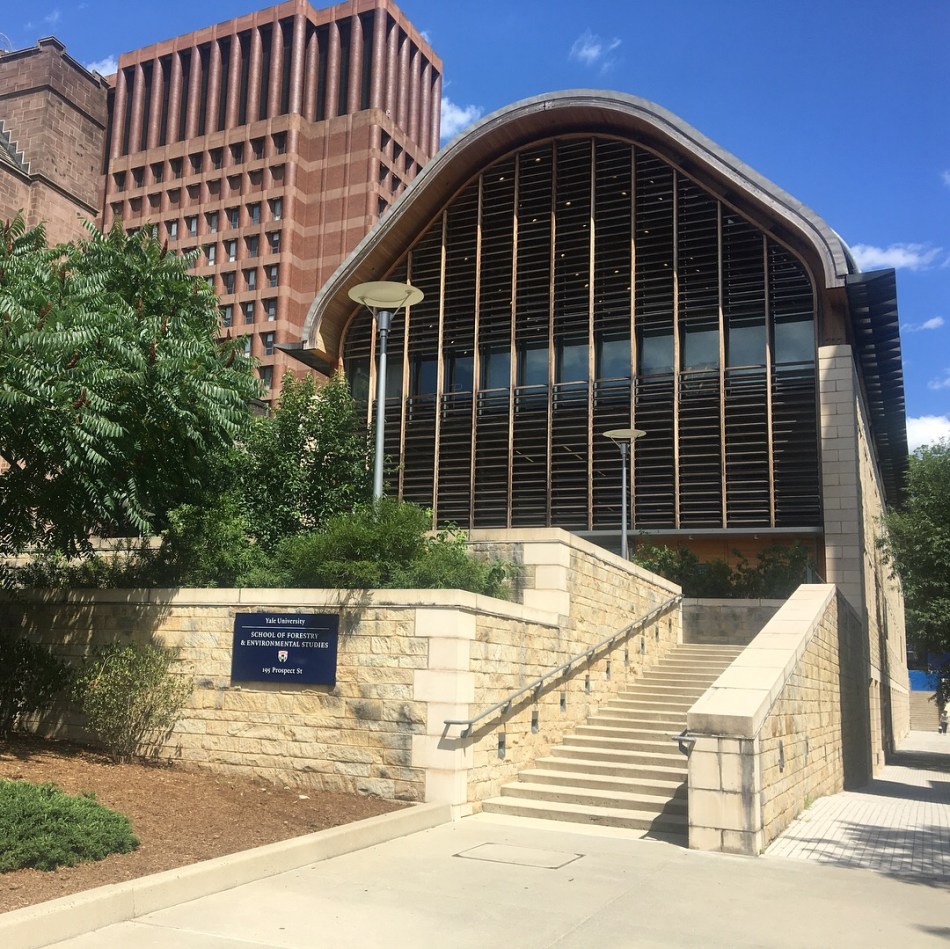
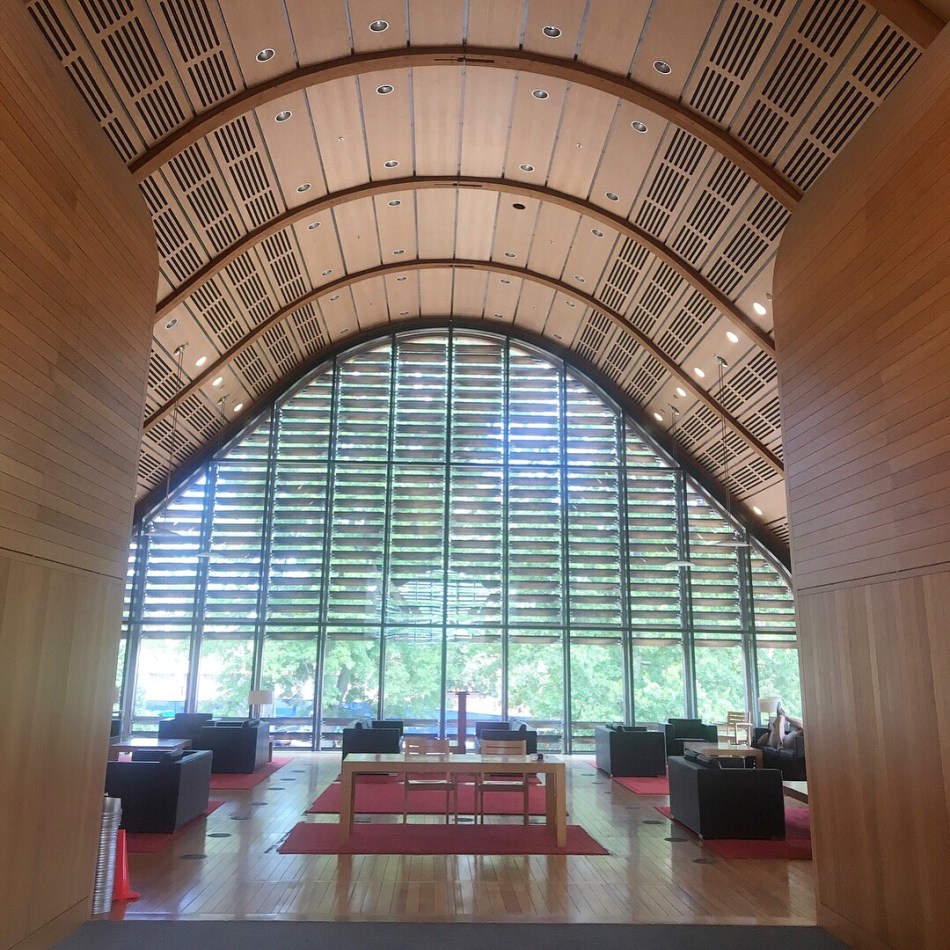
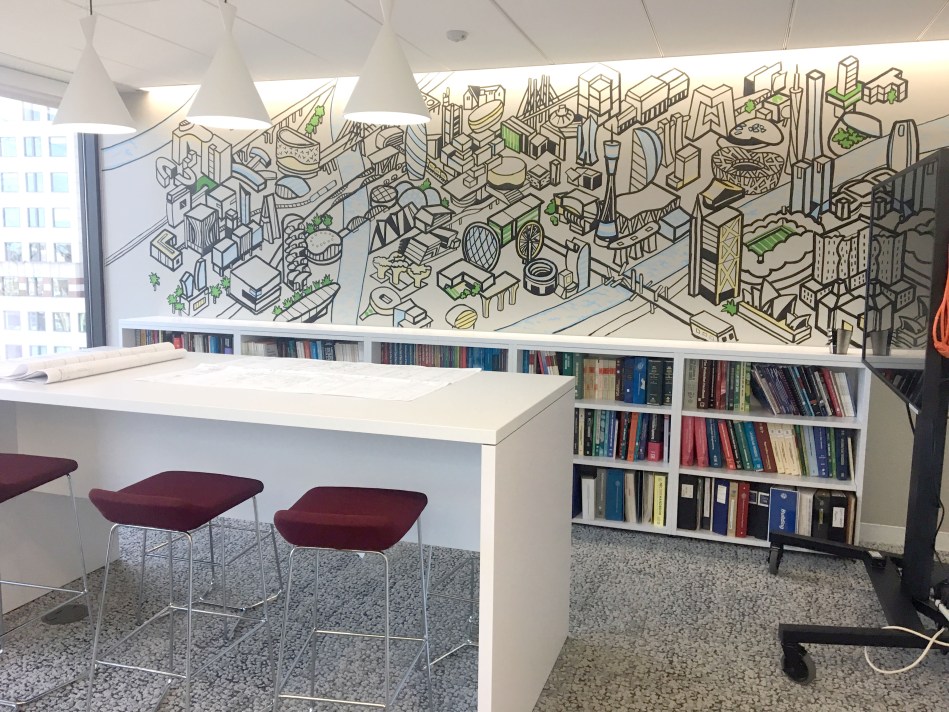
Arup Headquarters by Dyer Brown Architects, Boston MA / 2018 (12,200 ft2):
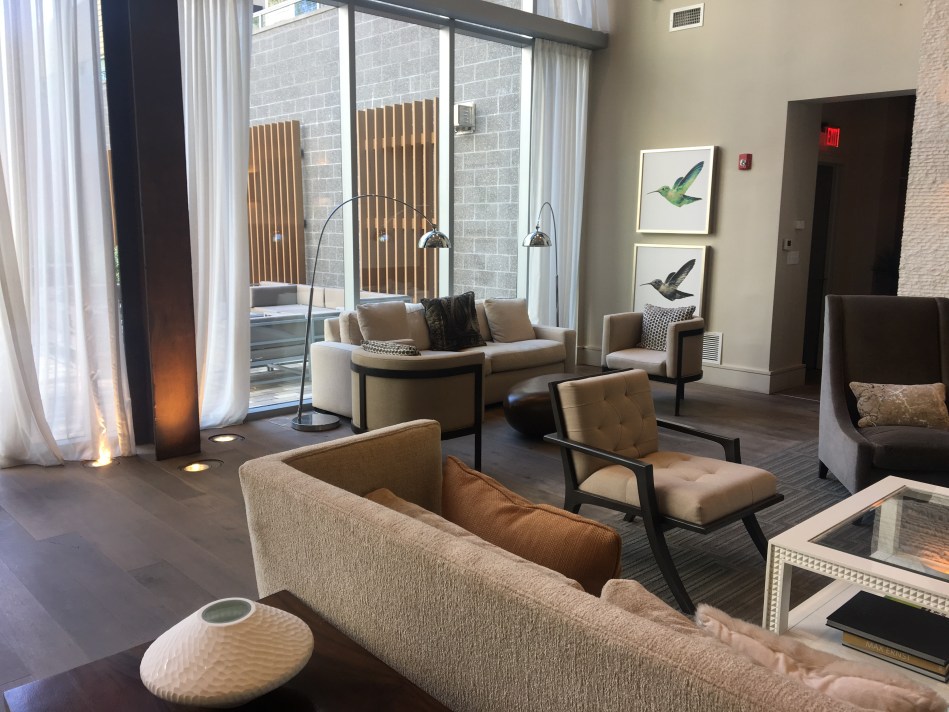
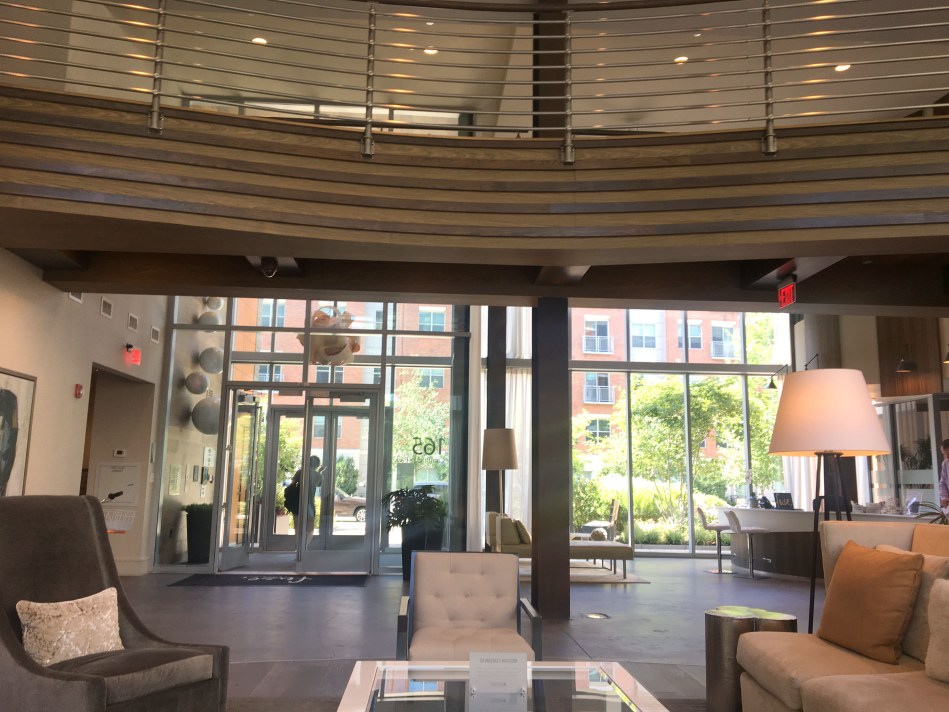
Fuse Cambridge by Hines, Cambridge, MA / 2016:
Fallingwater by Frank Lloyd Wright, Mill Run, PA / 1935 (5,330 ft2):

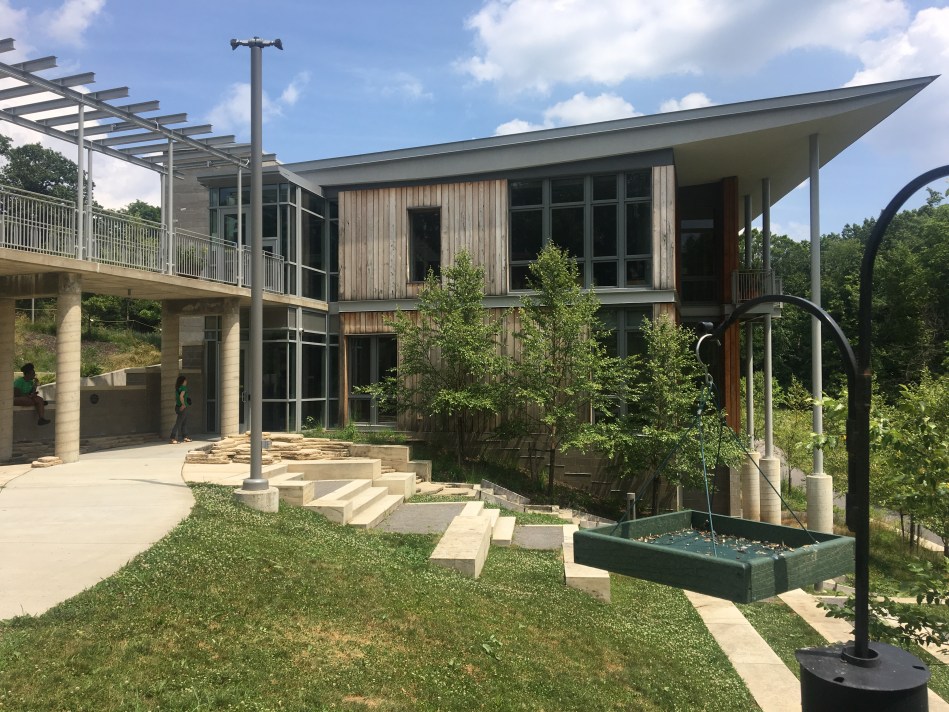
Frick Environmental Center by Bohlin Cywinski Jackson, Pittsburgh, PA / 2016 (15,570 ft2):
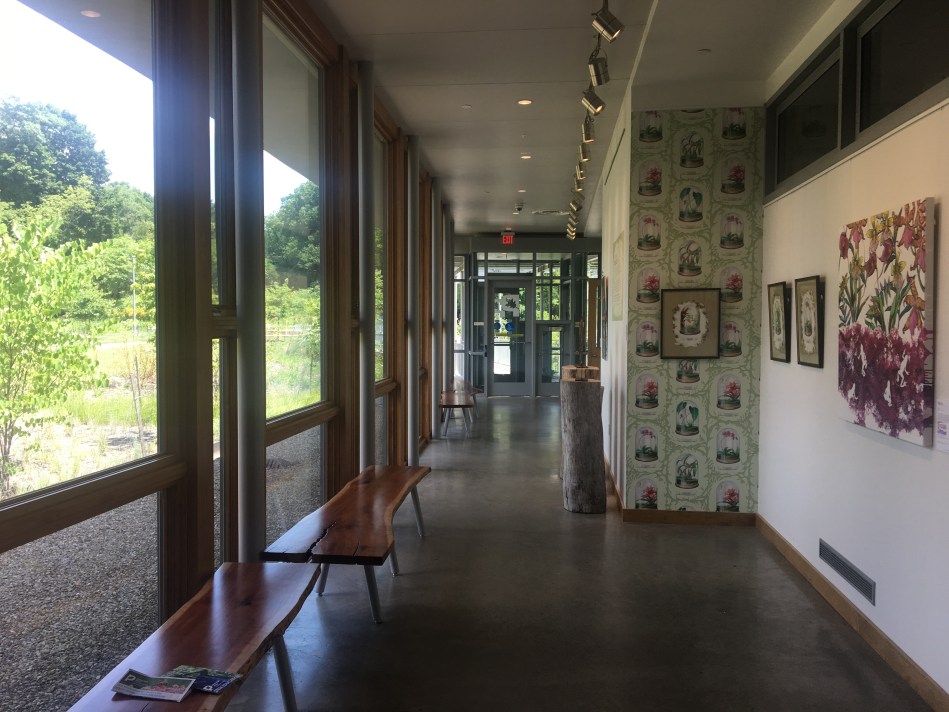
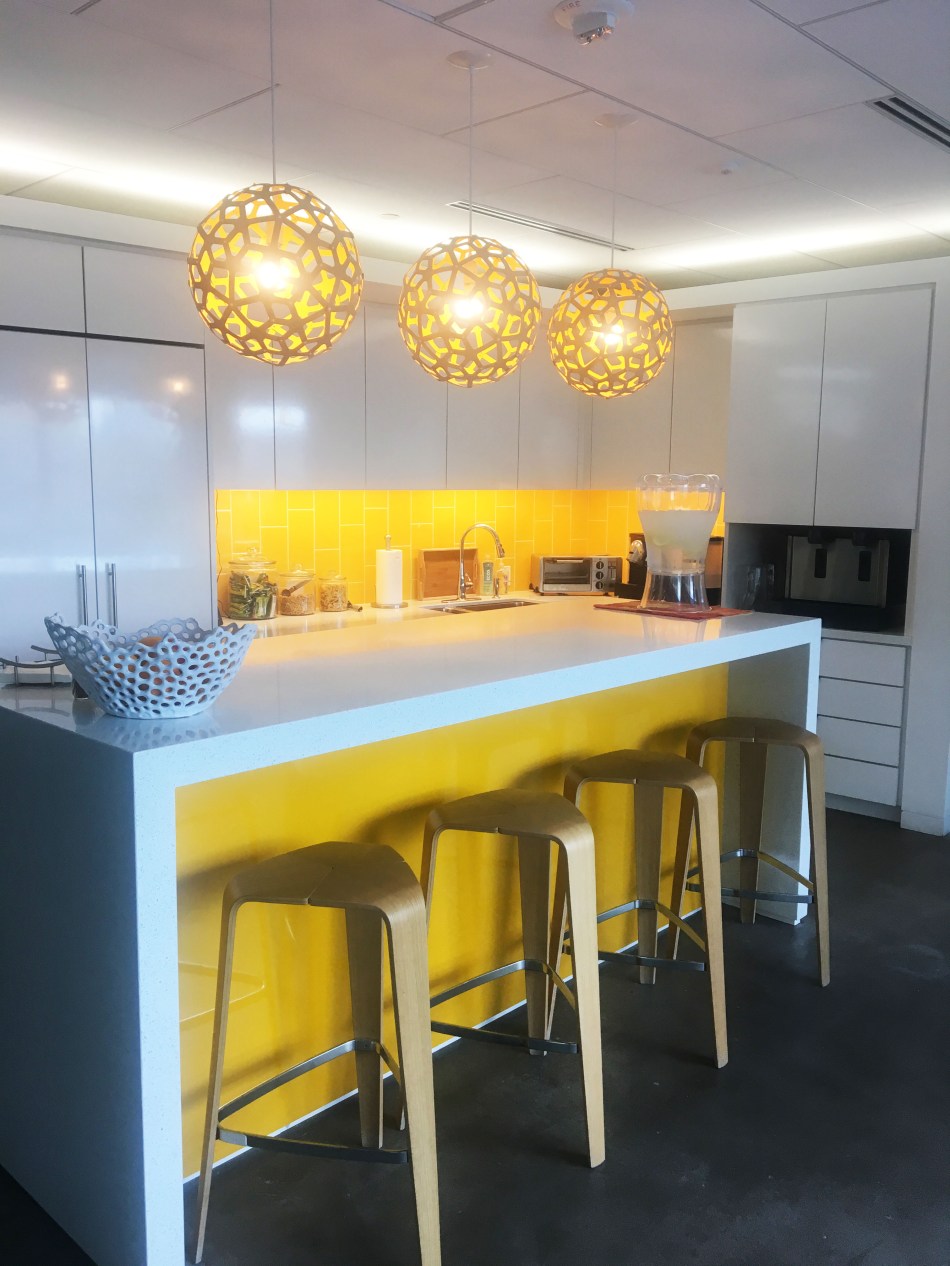
ASID Headquarters by Perkins + Will, Washington DC / 2016 (8,500 ft2):
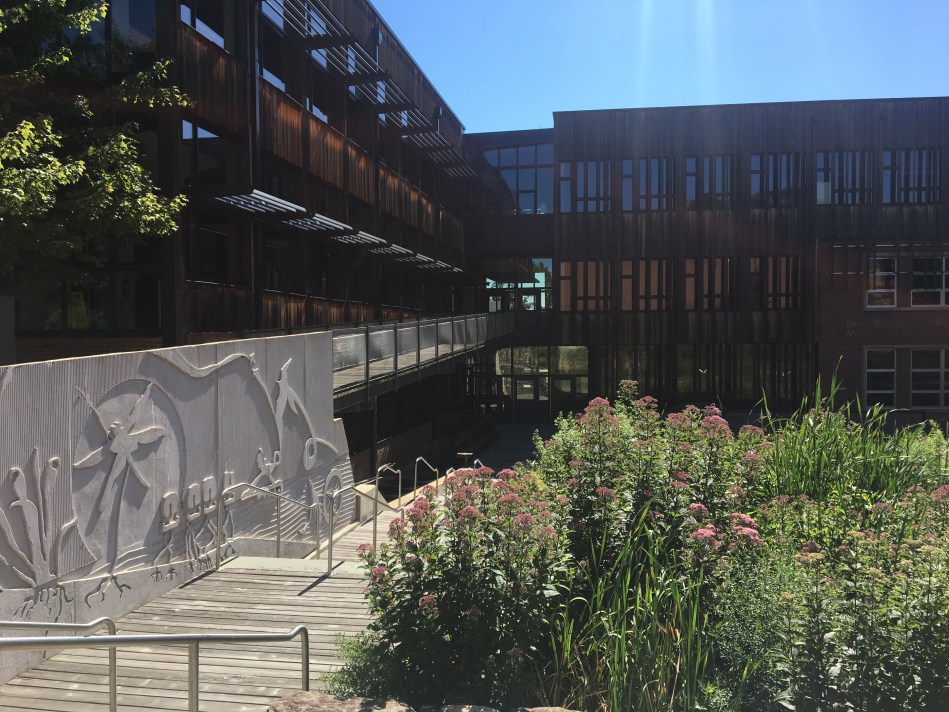
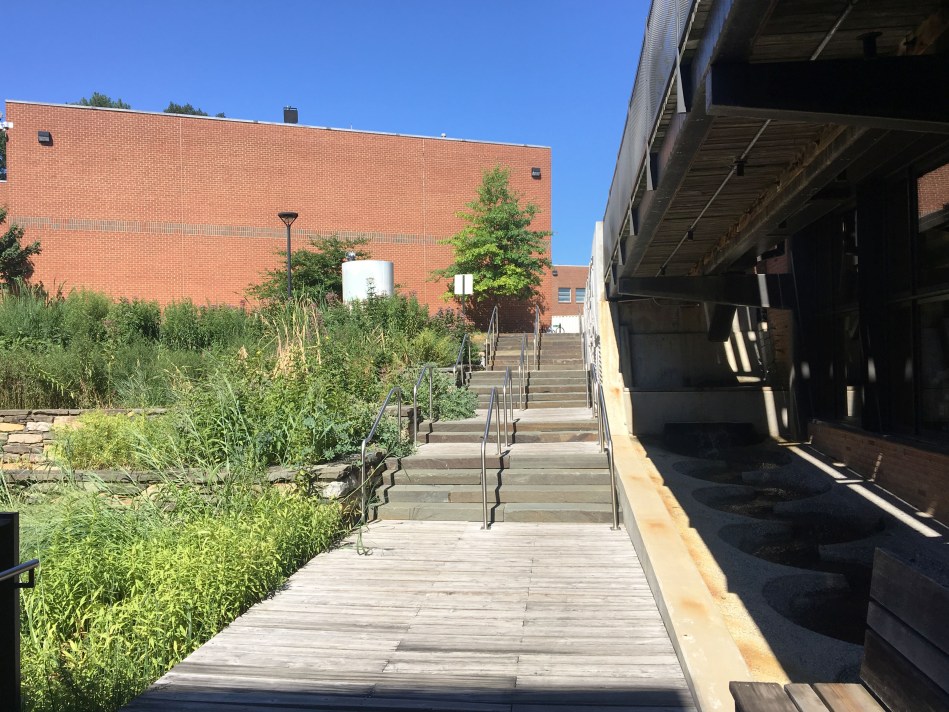
Sidwell Friends Middle School by KieranTimberlake Associates, Washington DC / 2006 (72,500 ft2):
 natuRE:engaged
0 comments on “East Coast Case-Studies”