
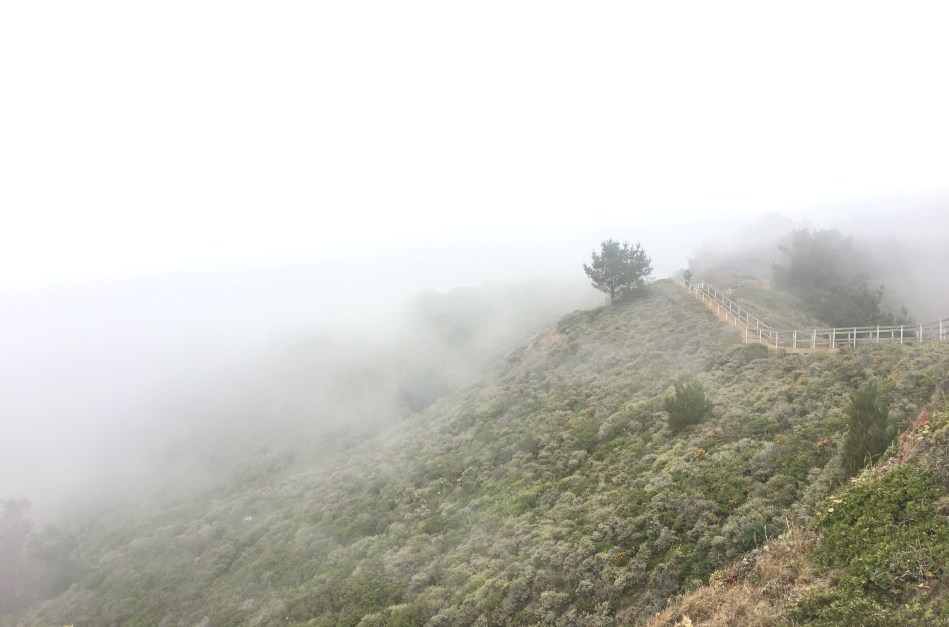
“In the big picture, our turn away from nature is associated with less empathy and attraction to nature and, in turn, less interest in environmental efforts related to nature. An obvious concern is that a massive withdrawal from nature will immunize us against emphatic views of nature. Sustainability of the planet is not merely about being a good citizen and recycling; it is ultimately about maintaining an intimate relationship with nature.”
Eva M. Selhub MD, Alan C. Logan ND
When I think of biophilic design and the environment, I think of the oxygen mask announcement on the plane. As you know, before a plane takes off, the crew members conduct safety demonstrations, during which they inform passengers to use provided oxygen masks in case of a change in cabin pressure. They advise the passengers traveling with children to secure their own masks first, before assisting a child or anyone else.
Biophilic design is a human-centric approach to design, and as such, it focuses on human health and wellness. The patterns of biophilic design, if applied properly, create spaces that enhance human well-being, making us happier, more productive, alert and engaged. This approach works because it fulfills our basic, evolutionary-based need to connect with nature and natural systems. When experiencing such spaces, people understand how vital nature is in their lives. In turn, they grasp that they need to become stewards of the natural environment, so this symbiotic relationship can continue and benefit all.
Estrangement from nature, as we can observe in our world today, has disastrous consequences, which include habitat destruction, species extinction, pollution, nature deficit disorder in children. Just like with the anecdotal oxygen masks, we use biophilic design to first help ourselves in order to be able to better help the natural environment.
“One of the areas of biophilia research that has advanced the fastest is the critical need for visual connections to life, to the dynamics of climate, to visual signs of not just greenery and growth and seasons, but also to community. We need to visually connect to nature and community.”
Vivian Loftness
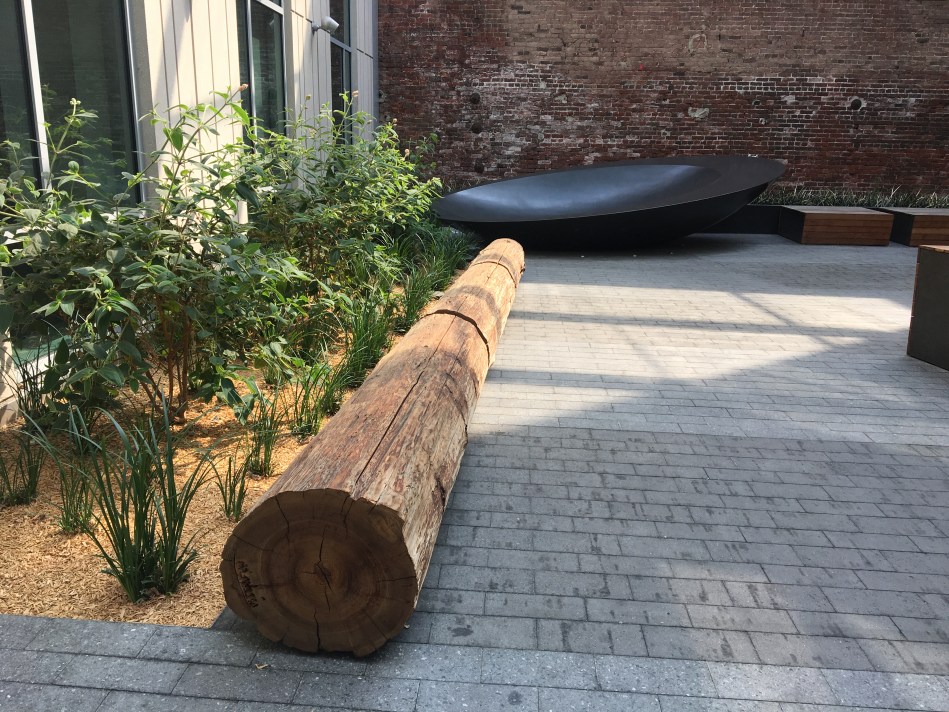
I have started the travel part of my Fellowship. Here is a map of the places I am visiting. Below are photos of Bay Area case-studies I have visited thus far.
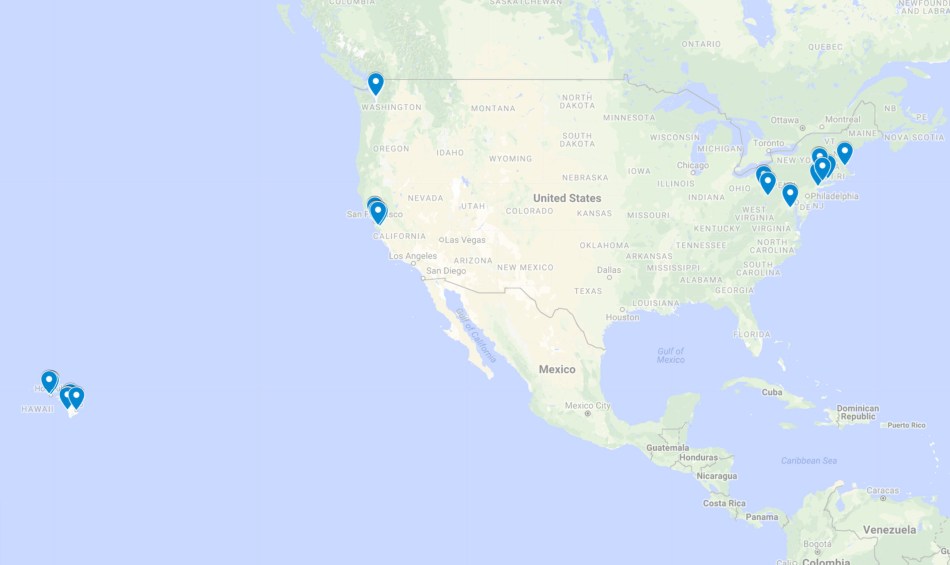
Bay Area case-studies I visited:
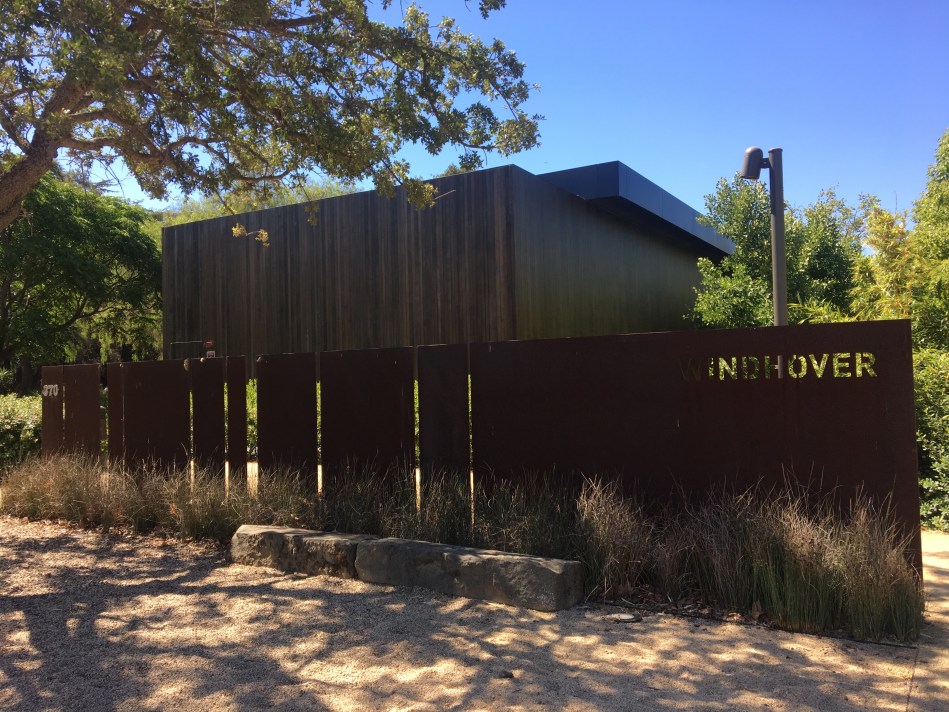
Windhover Contemplative Center, Stanford University by Aidlin Darling Design, Stanford, CA / 2014 (4,000 ft2):
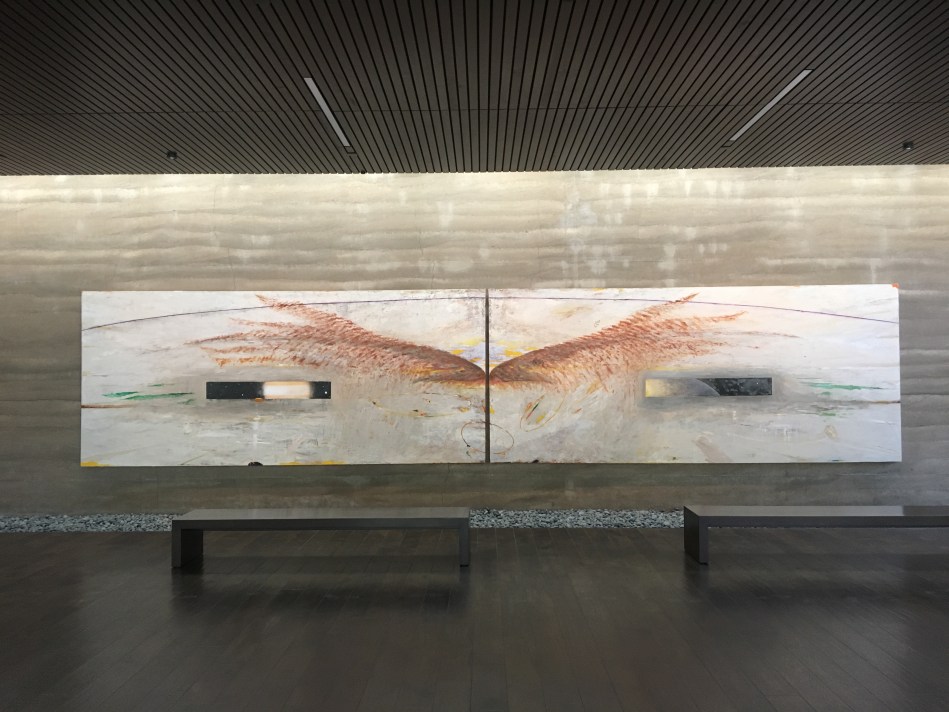
The David & Lucile Packard Foundation by EHDD Architecture, Los Altos, CA / 2012 (49,000 ft2):
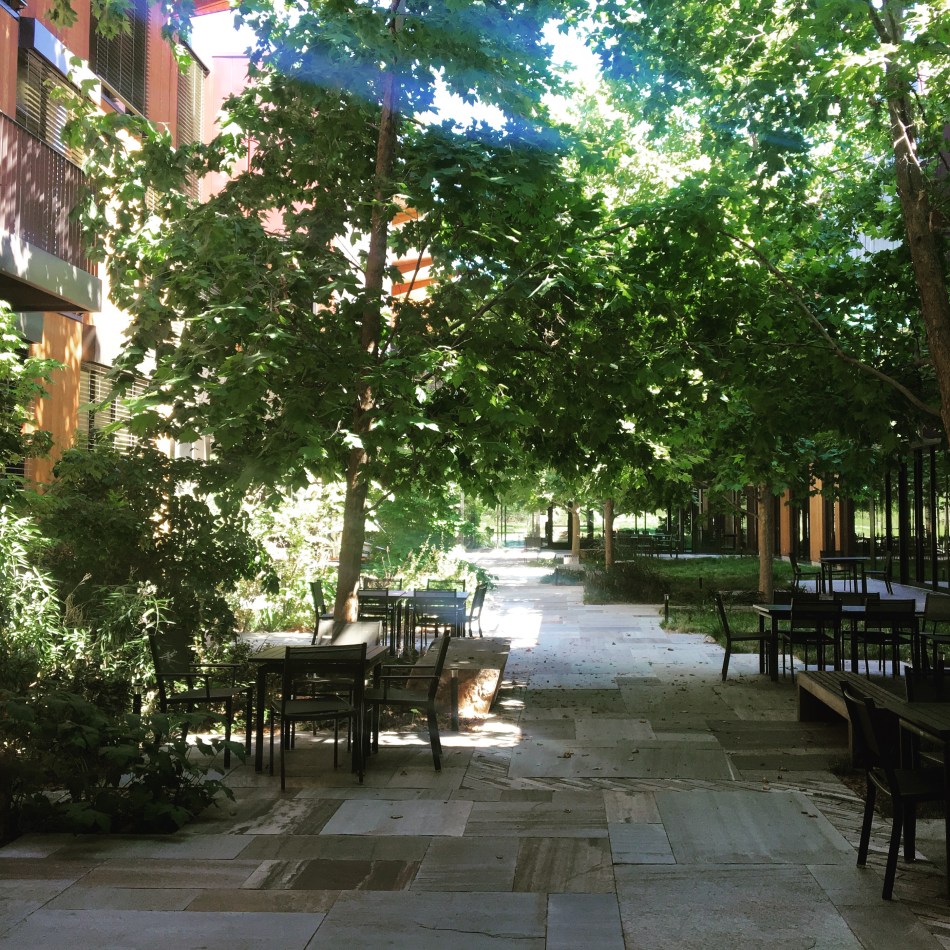
Facebook HQ by Frank Gehry, Menlo Park, CA / 2015 (40,000 ft2):
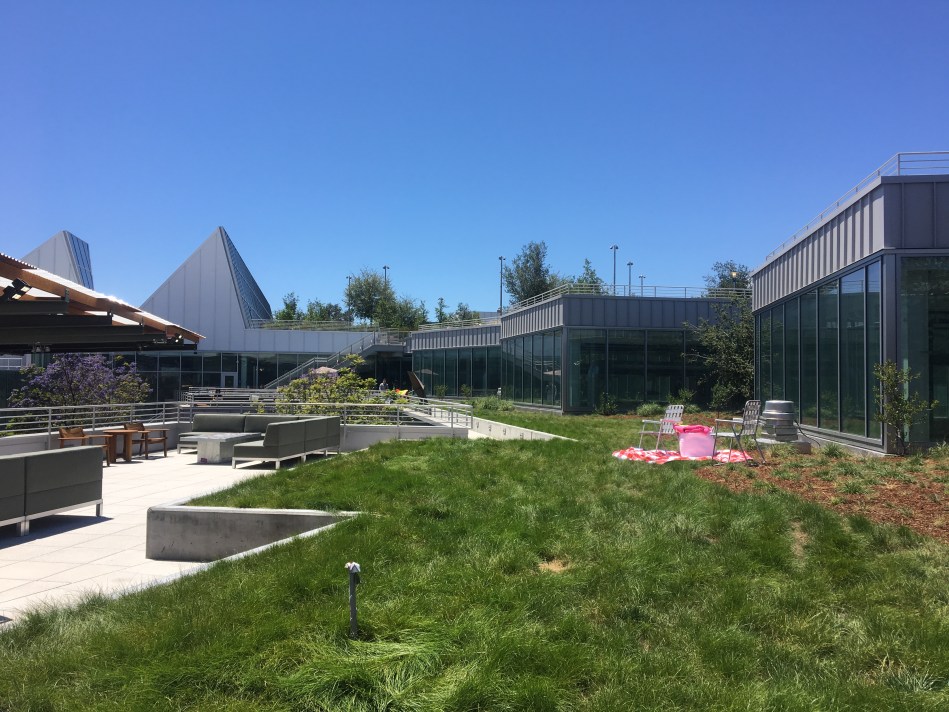
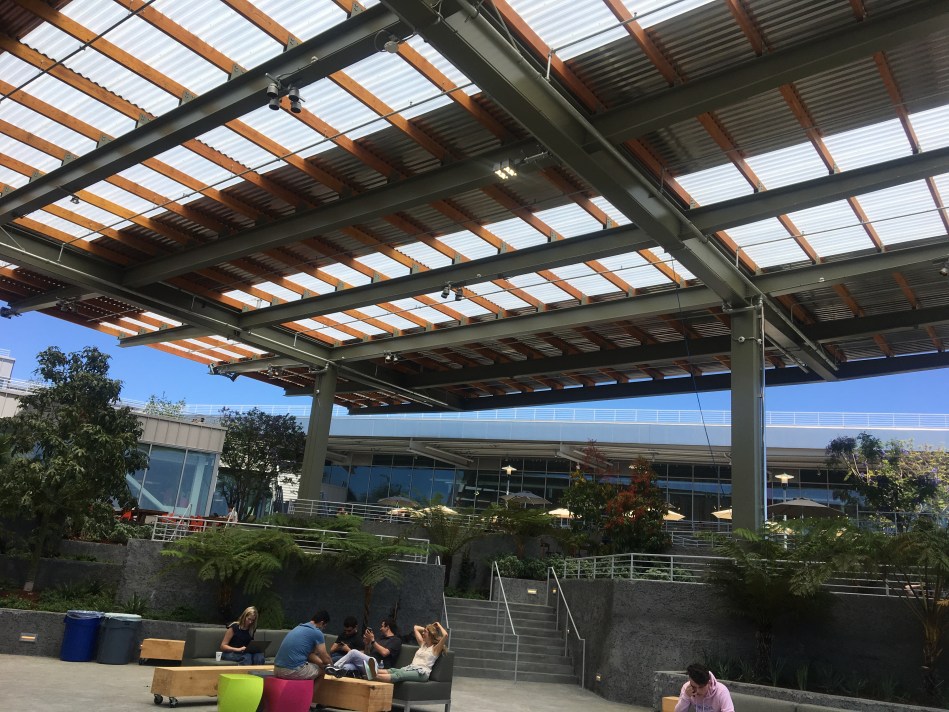
California Academy of Sciences by Renzo Piano Building Workshop, San Francisco, CA / 2008:
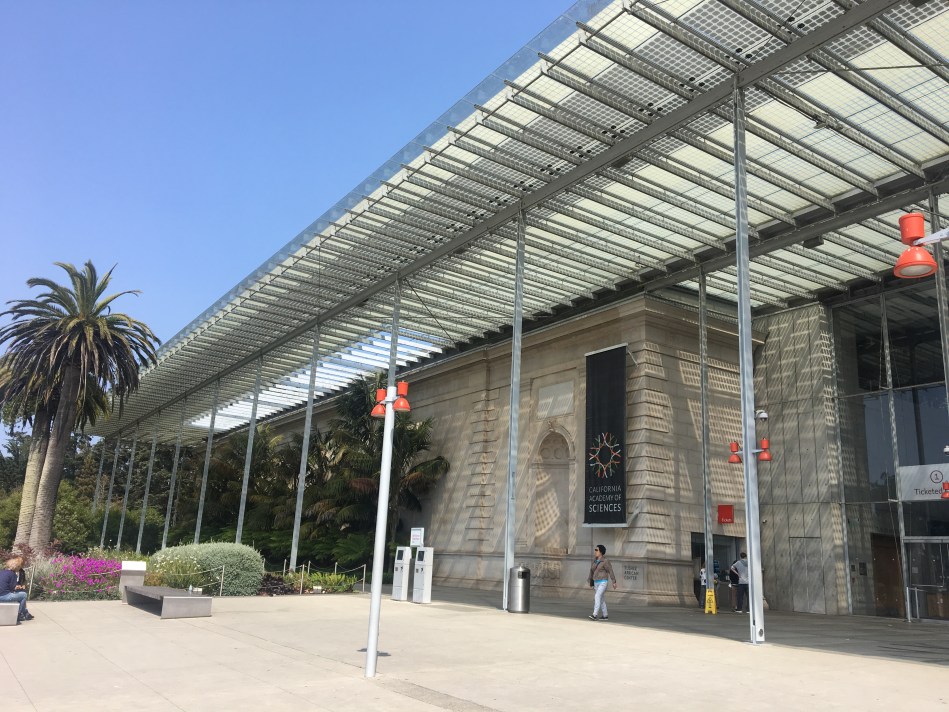
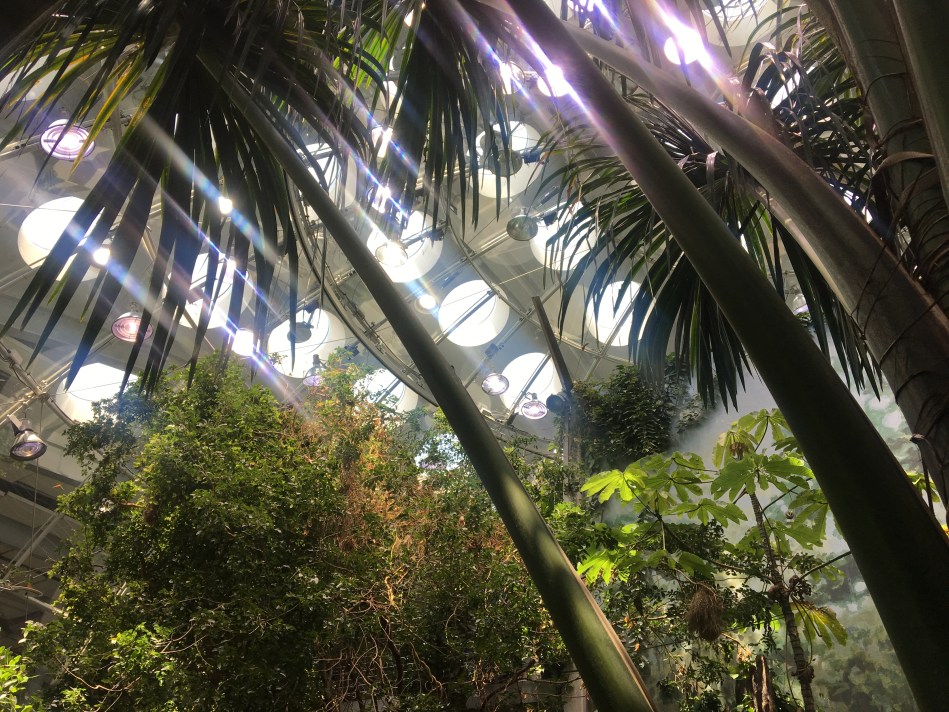
BCCI Construction Company HQ by BCCI Construction Company, San Francisco, CA / 2015 (16,150 ft2):
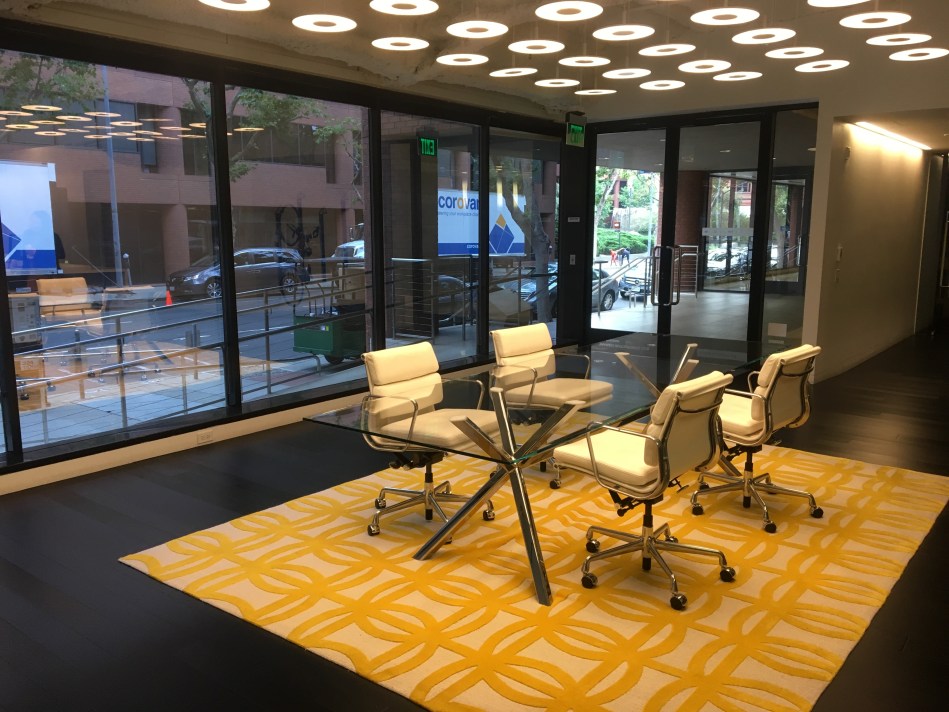
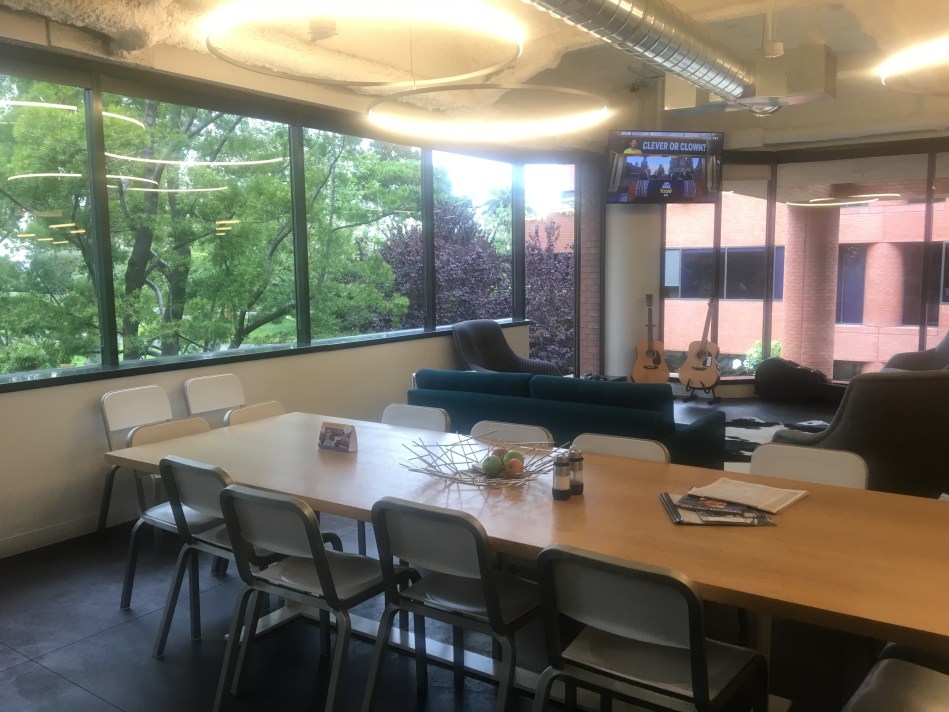
Splunk HQ by Revel Architecture & Design, San Francisco, CA / 2016 (180,000 ft2):
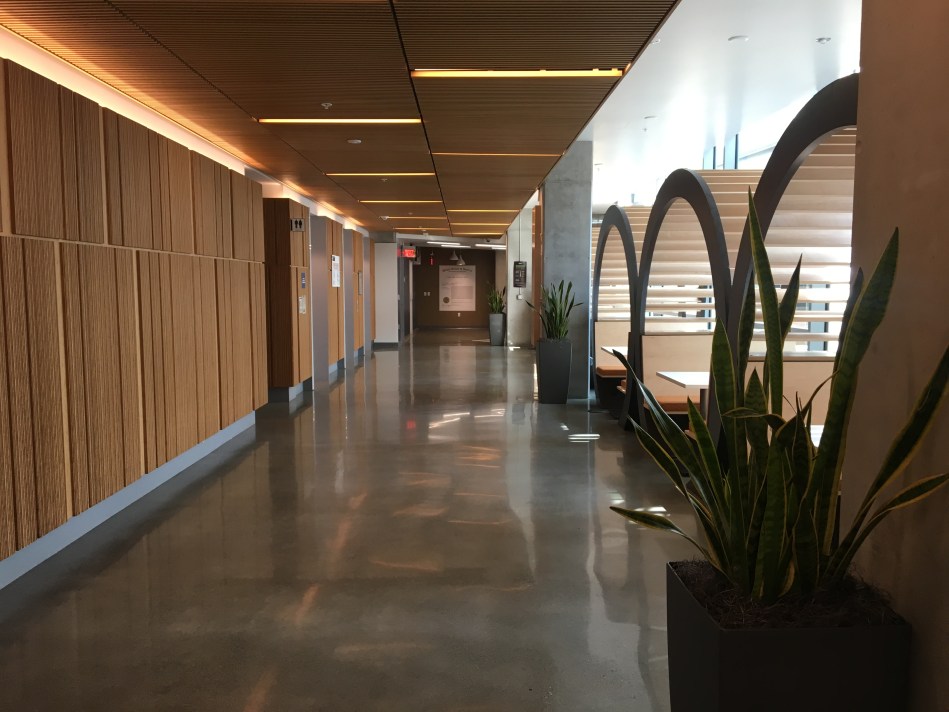
 natuRE:engaged
0 comments on “Bay Area Case-Studies”